Your Solar Roadmap
The Complete Guide to Going Solar in the UK
A step-by-step walkthrough of everything you need to know before, during, and after installing solar panels on your home, from checking your roof to switching on your system.
Your Solar Journey
Step 1: Check If Your Home Is Suitable
Not every home is identical, but most UK homes are suitable for solar. The main factors are roof orientation, available space, roof condition, shading, and how much electricity your household uses.

🧭 Roof Orientation
South-facing is ideal, but east and west-facing roofs can still work well. A professional solar survey confirms the best layout for your property.
📐 Roof Angle & Space
Most UK pitched roofs are naturally suitable. A typical 10-panel system needs around 20m² of clear roof space.
🌳 Shading
Trees, chimneys and neighbouring buildings can reduce performance. A proper design checks shading before recommending a system.
Planning permission: Most residential solar installations fall under permitted development and do not need planning permission. Exceptions may apply for listed buildings, conservation areas and some flats. Your installer should advise clearly before work begins.
Local solar support across London, Surrey and nearby areas
Sol4r Energy installs solar panels, battery storage and EV chargers across areas including Sutton, Epsom, Purley, Croydon, Surrey and Greater London. You can also explore our local installation pages such as solar panel installation in Epsom, Surrey to see location-specific information.
Step 2: Understand What You Need
A modern home solar system can include solar panels, an inverter, battery storage and an EV charger. The right setup depends on your energy usage, roof size, budget and long-term plans.
☀️ Solar Panels
The core of the system. Premium panels such as AIKO and DMEGC are designed for strong long-term performance and reliable energy generation.
⚡ Inverter
The inverter converts solar electricity into usable power for your home. Hybrid inverters can also manage battery storage and grid interaction.
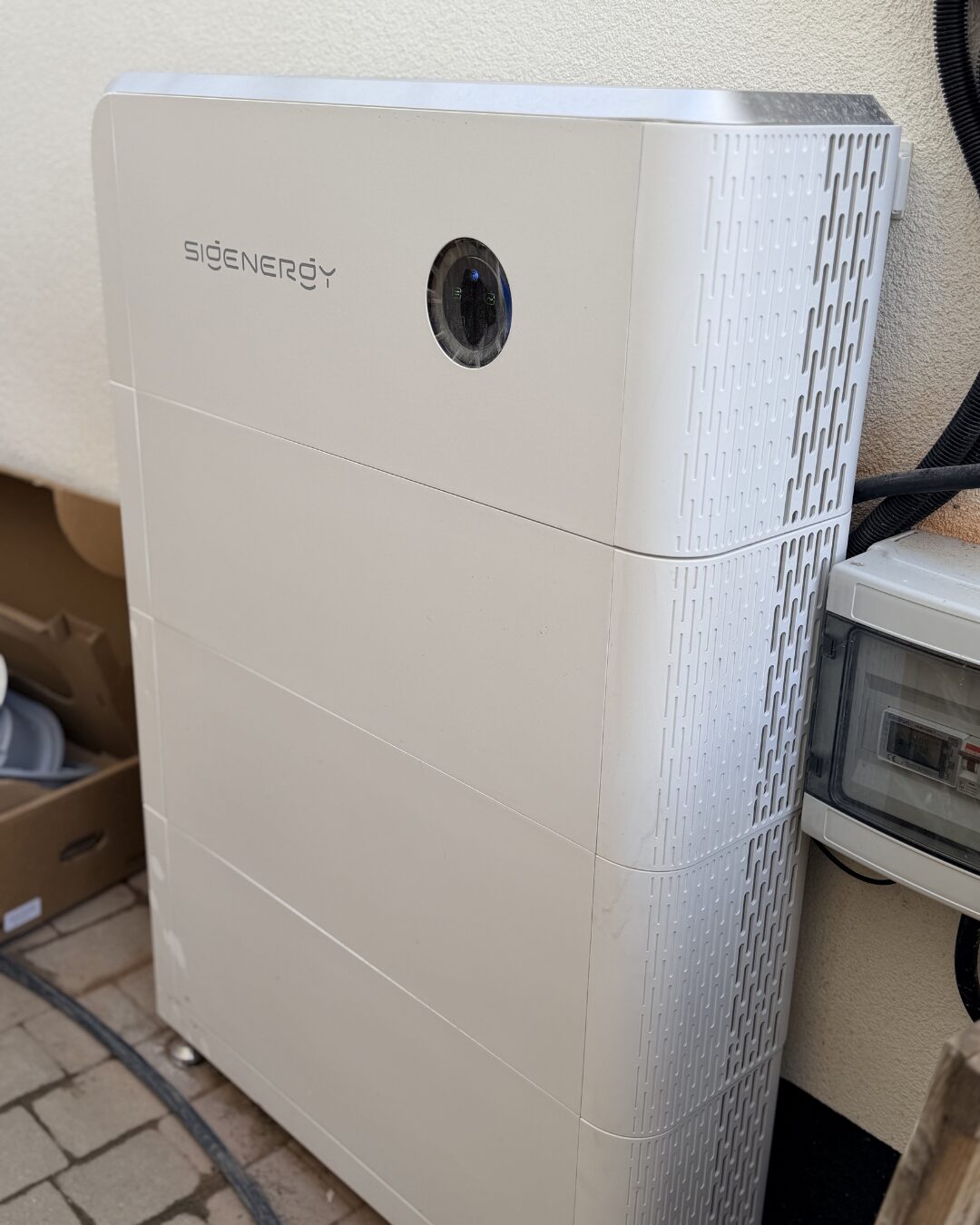
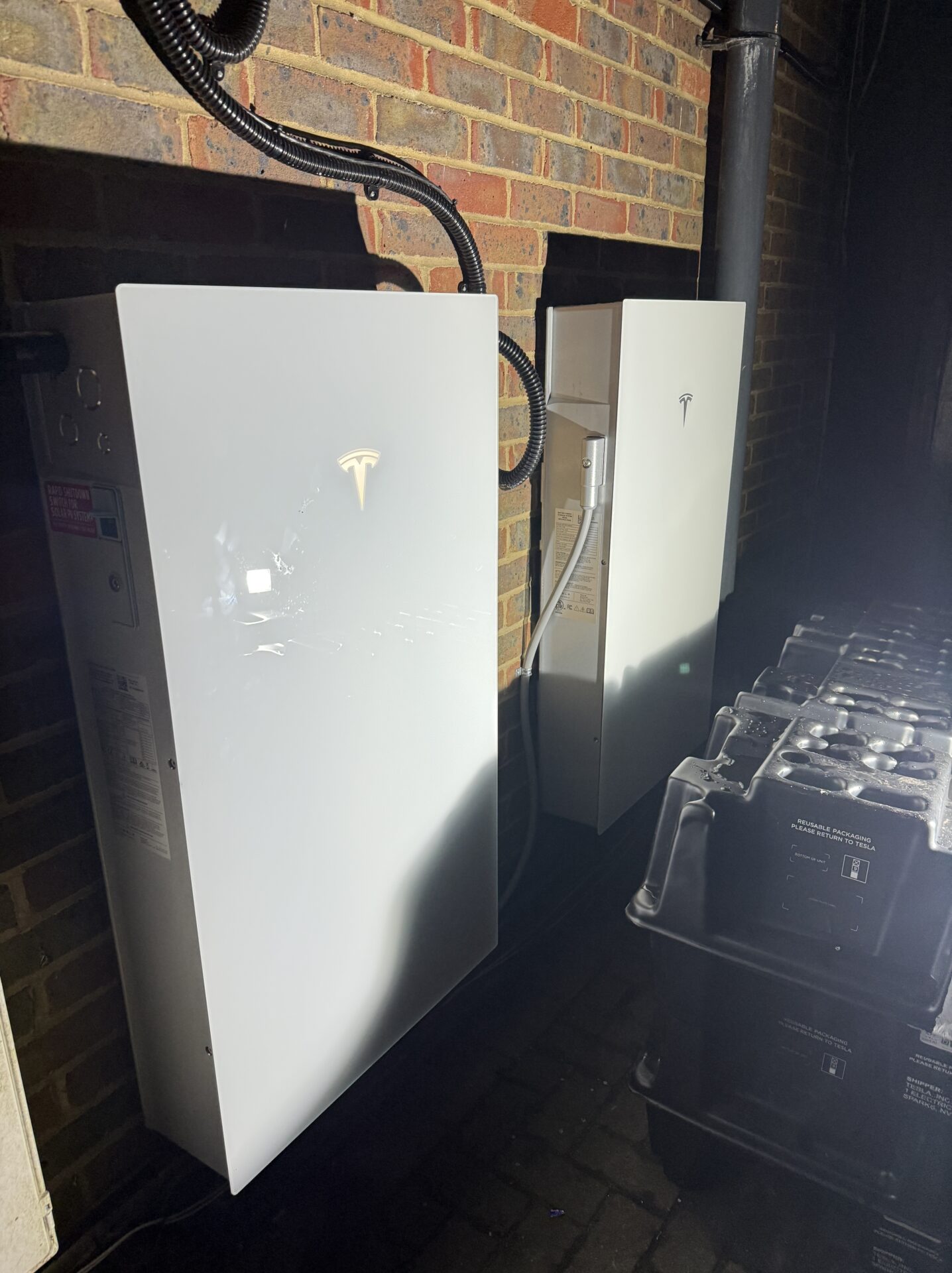
🔋 Battery Storage
Battery storage lets you store surplus solar energy for the evening, overnight use or high-demand periods.
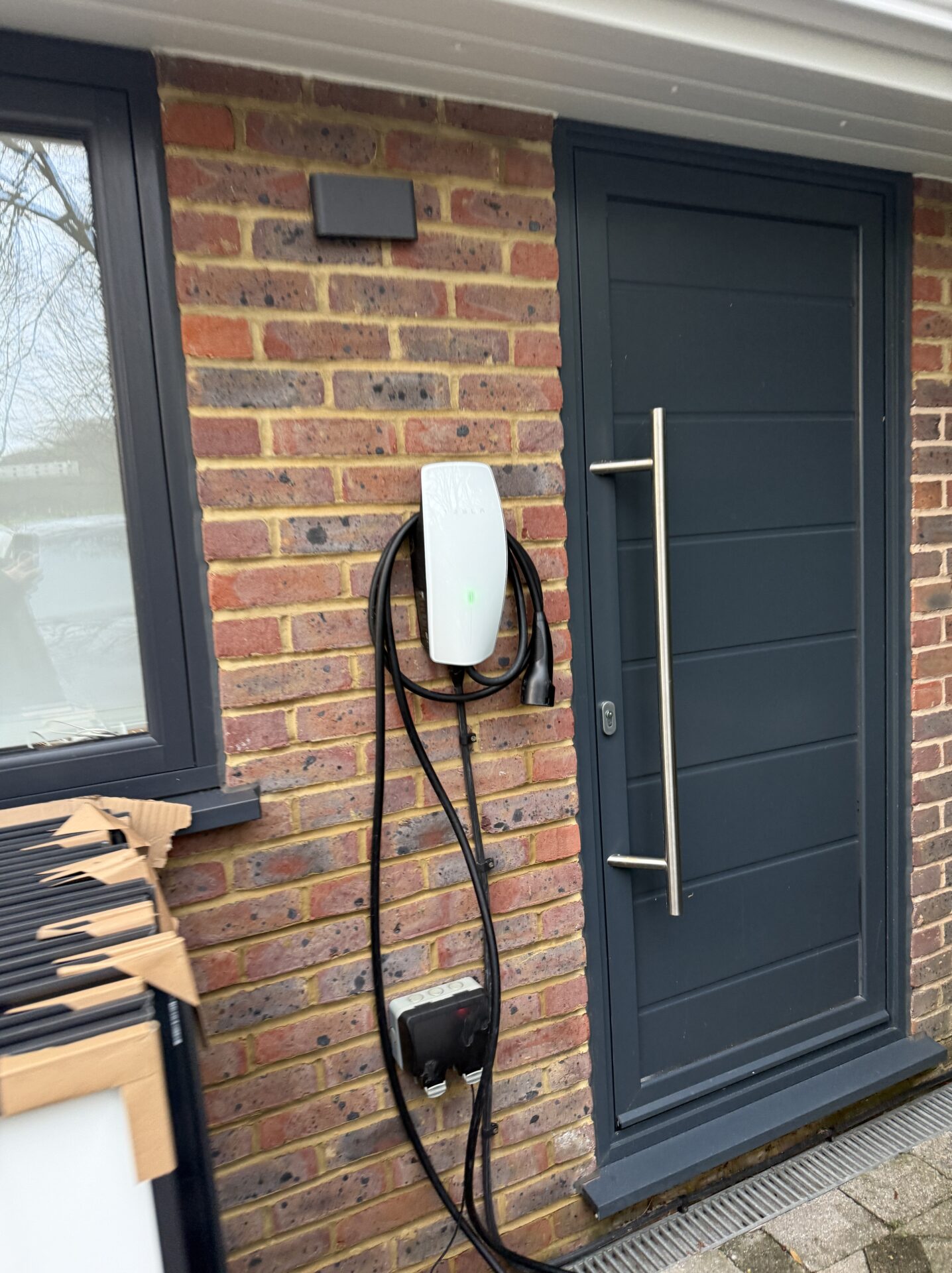
🔌 EV Charger
An EV charger can be added alongside solar, helping you make better use of your generated energy if you own or plan to own an electric vehicle.
For more detail on storage, visit our battery storage page. You can also learn more about EV charger installation if you are planning to combine solar with electric vehicle charging.
Step 3: Get Quotes & Choose an Installer
This is one of the most important decisions you will make. The quality of your installer can affect your system performance, paperwork, aftercare and long-term reliability.
What to look for in a solar installer
MCS Certification — non-negotiable. Without MCS, you may not be able to access the Smart Export Guarantee, and manufacturer warranties may be affected. Sol4r Energy's MCS registration is NAP-68781.
HIES Membership — provides consumer protection, deposit security, and an insurance-backed guarantee if the installer ceases trading.
In-house installation team — avoid companies that subcontract the actual installation. If something goes wrong, you want one company responsible end-to-end.
Professional system design — look for proper modelling or MCS calculator output in the proposal. Generic one-size-fits-all quotes can lead to under-sized or over-sized systems.
Transparent pricing — the quote should itemise every component, include installation costs, and clearly state 0% VAT where applicable. No hidden extras.
Warranty package — check panel warranty, inverter warranty, battery warranty, and workmanship guarantee before agreeing to proceed.
Step 4: Understand the Financials
0%VAT on Residential Solar
3–6 YearsTypical Payback
25+ YearsSystem Lifespan
SEGExport Tariff Potential
Residential solar can help reduce your electricity bills, improve energy independence and give you greater control over how your home uses power. Battery storage can further improve the value of your solar system by storing excess generation for later use.
Finance options: Sol4r Energy offers finance options through Phoenix Financial Consultants Limited. Finance is subject to eligibility and approval. You can learn more about available options during your quotation process.
You can also use our solar quiz to request a tailored quote based on your property and energy goals.
Step 5: What Happens During Installation

1
Pre-Installation Survey
The property is checked to confirm roof measurements, roof condition, cable routes and installation details.
2
Scaffolding & Access
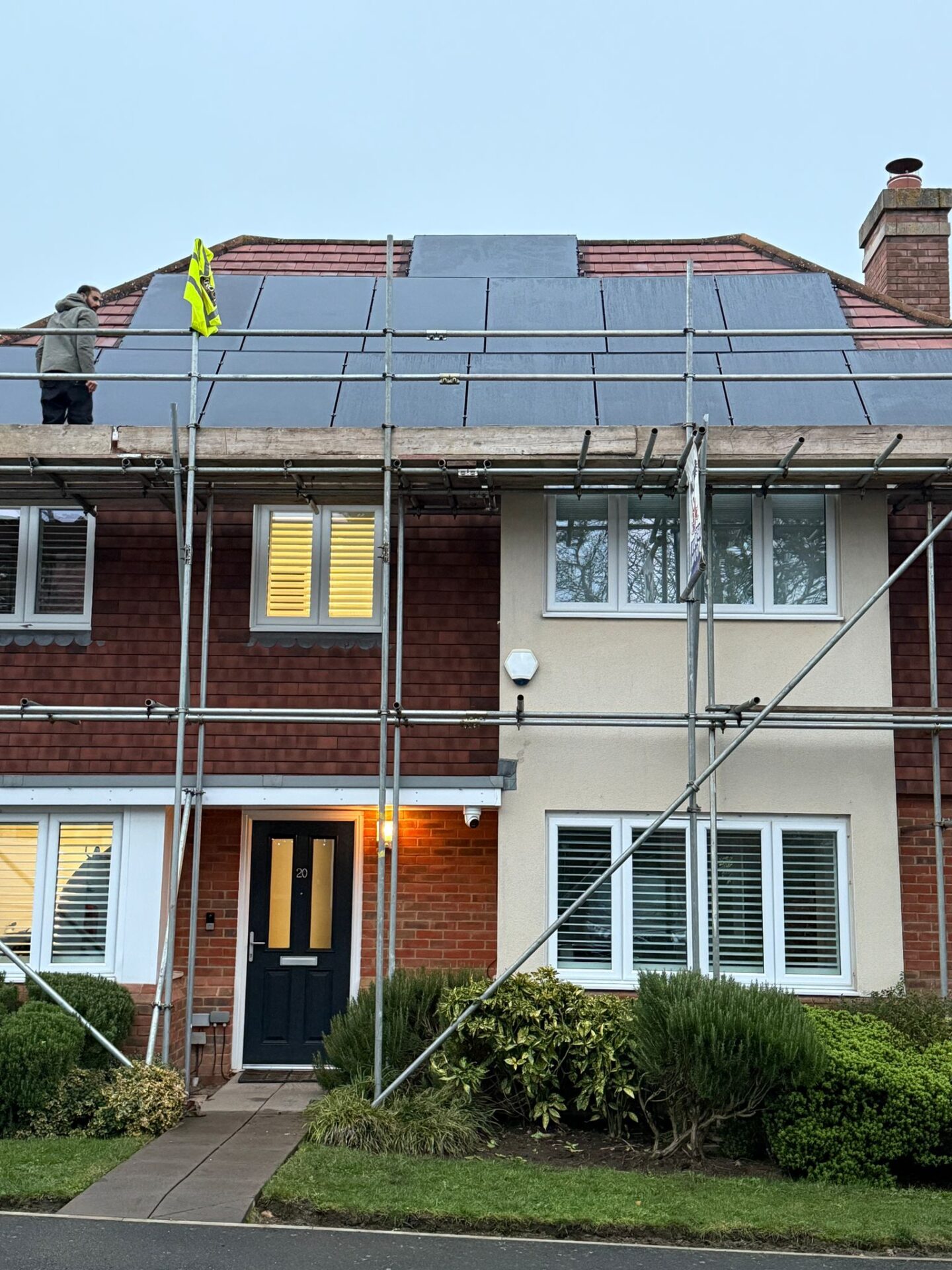
Scaffolding is arranged where required to allow safe roof access during the installation.
3
Panel Installation
Mounting rails are fixed, panels are installed, and DC cabling is routed safely to the inverter location.
4
Electrical & Battery Setup
The inverter, isolators, generation meter and battery storage are installed where included in the system design.
5
Commissioning & Testing
The system is tested, commissioned and checked before being handed over to the customer.
6
Handover & Monitoring
The monitoring app is set up and the customer is shown how to track generation, usage and battery activity.
Most standard residential installations can be completed quickly, although larger or more complex systems may take longer depending on roof access, battery setup and electrical requirements.
Step 6: After Installation — What to Expect
Once your system is live, you can monitor generation, consumption, battery charge and export through your app. Over time, this helps you understand when your home uses the most electricity and how to get better value from your system.
📱 Monitoring App
Track generation, household usage, export and battery activity in real time.
💷 Energy Bills
Your energy bills should start to reflect reduced grid import, especially during sunnier months.
📋 Paperwork
Your installer should manage the required certificates, handover documents and relevant grid paperwork.
Step 7: Maintenance & Long-Term Care
Solar systems are generally low maintenance because panels have no moving parts. However, occasional checks, cleaning where needed, monitoring reviews and electrical inspections help keep the system performing properly.
🔧 Maintenance Checks
Visual inspections and performance checks help identify issues early and keep the system working efficiently.
📊 Online Monitoring
Monitoring helps you see if your system is generating as expected and whether your battery is being used effectively.
You can read more about Sol4r Energy’s approach to system care and installation quality on our main solar energy website.
Common Mistakes to Avoid
What not to do
Choosing on price alone. The cheapest quote may not include the same equipment quality, warranty support, installation standard or aftercare.
Ignoring battery storage. Without storage, you may export excess solar during the day and buy electricity back later when you need it most.
Oversizing without reason. Bigger is not always better. A system should be sized around your usage, roof space and long-term plans.
Not checking MCS certification. MCS certification is important for the Smart Export Guarantee and overall consumer confidence.
Ignoring tariff options. The right import and export tariff can make a major difference to how much value you get from your solar and battery system.
Helpful Sol4r Energy guides and services
- Start the solar quiz to request a tailored recommendation.
- Learn more about battery storage for UK homes.
- Explore EV charger installation for home charging.
- View solar panel installation in Epsom, Surrey.
- Visit the Going Solar hub for more homeowner guidance.
Ready to Start Your Solar Journey?
Free survey · No-obligation quote · MCS-certified · 0% VAT · Finance options available
Get Your Free Quote 0330 124 2945